
15 Symptoms of Poor Methylation: Mental, Cognitive, and Physical Issues
Poor methylation refers to disruptions in a key biological process that regulates gene expression, detoxification, and overall cellular function. When this process is impaired, it can affect mental, cognitive, and physical health. Common symptoms include anxiety, depression, mood swings, fatigue, brain fog, memory issues, insomnia, headaches, digestive problems like IBS, muscle pain, allergies, and chronic inflammation. In more serious cases, it may contribute to conditions such as autism, hormonal imbalances, PCOS, and recurrent miscarriages. Methylation plays a critical role in neurotransmitter production, energy metabolism, immune function, and hormone regulation. When disrupted, it can lead to low energy, poor concentration, weakened immunity, and increased risk of chronic diseases, including cardiovascular issues. Both low and high methylation levels can cause health problems. Low methylation is linked to fatigue, stress, and immune dysfunction, while high methylation may contribute to neurological disorders, mood issues, and increased cancer risk. Diagnosis is typically done through blood, urine, or saliva tests, including homocysteine levels, folate testing, and genetic tests like MTHFR. Treatment focuses on personalized approaches such as improving diet, managing stress, regular exercise, and targeted supplementation (e.g., B vitamins and methyl donors). Overall, identifying and addressing poor methylation early can help improve overall health, balance hormones, and reduce the risk of long-term health issues.
15 Symptoms of Poor Methylation: Mental, Cognitive, and Physical Issues
Once a domain of basic science, methylation now attracts medical attention for its essential role in cellular health.
Understanding the methylation process is fundamental to grasp how it influences bodily functions and overall health.
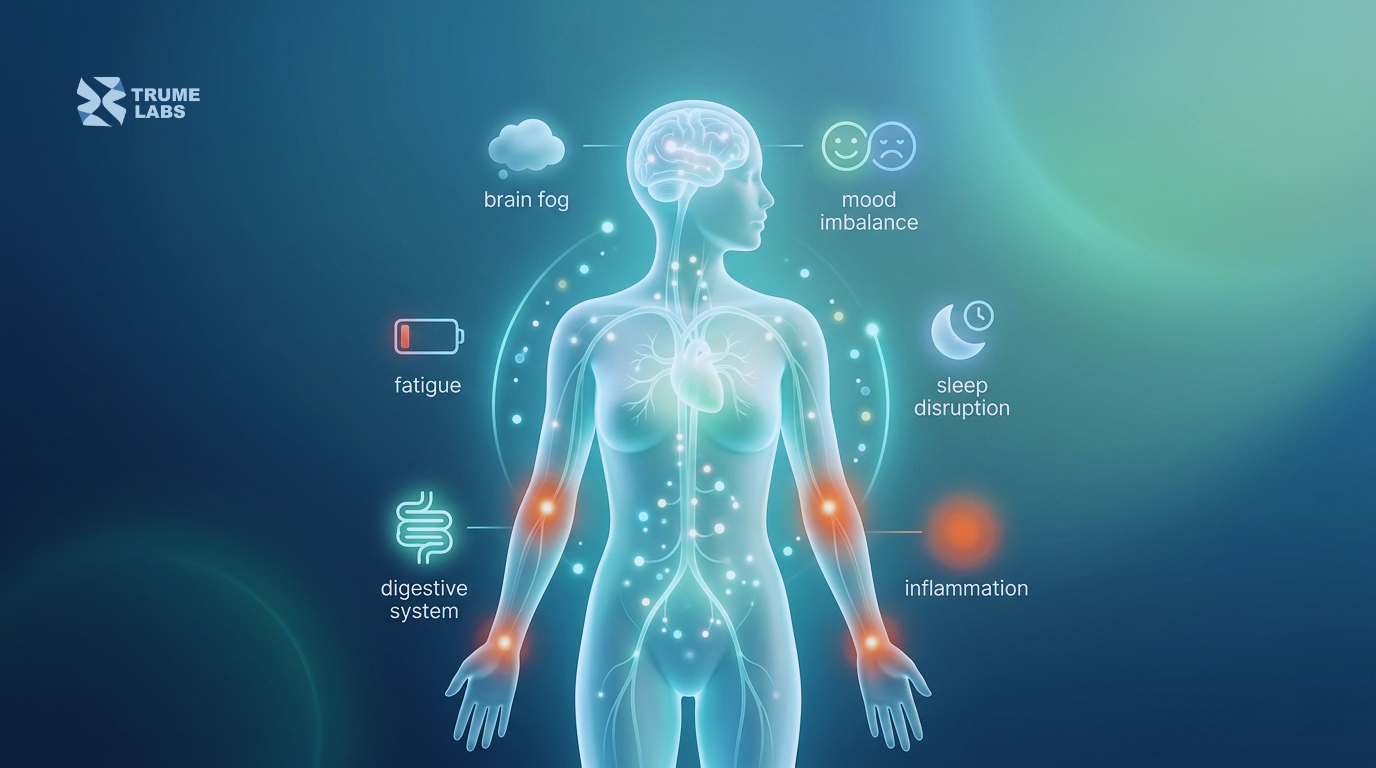
Symptoms of poor methylation may include fatigue, mood swings, brain fog, digestive issues, and hormonal imbalances.
What are the common signs of methylation issues in our daily health?
Poor methylation can affect daily life with:
Cognitive symptoms
Digestive problems
Muscle pain
Seek medical advice for persistent symptoms affecting daily life, as early detection can improve outcomes and quality of life.
1. Anxiety
Methylation can lead to mood disorders like depression and anxiety by disrupting gene expression related to stress response, neurotransmission, and neuroplasticity.
Several lifestyle changes can help manage anxiety:
Eating foods rich in B vitamins and omega-3-acids
Staying physically active
Practicing mindfulness, and maintaining good sleep hygiene
2. Obsessive-Compulsive Disorder
Methylation plays a role in OCD by affecting neurotransmitter regulation and brain function.
Methylation-focused treatments for OCD include:
Nutritional supplements ― methylfolate
Lifestyle adjustments
Medications, such as selective serotonin reuptake inhibitors (SSRIs)
3. Mood Swings
Methylation affects neurotransmitter synthesis and signaling, influencing mood-regulating chemicals in the brain and contributing to mood swings.
For better methylation and mood stability, eat more leafy greens, fatty fish, and lean meats.
4. Depression
Epigenetic mechanisms contribute to the development of mood disorders like depression and anxiety by playing a role in regulating gene expression associated with stress response and mood regulation.
Nutritional supplements for depression include:
Vitamin B12
Methylfolate (5-MTHF)
S-Adenosylmethionine (SAMe)
The MTHFR gene mutation can significantly impact methylation processes.
Methylation affects energy production, and poor methylation can lead to fatigue by impairing cellular function and nutrient metabolism.
Here are energy-boosting methylation strategies:
Balanced diet
Methyl donor supplements
Include antioxidants
6. Brain fog
Disrupted methylation can impair synaptic function, leading to concentration difficulties and memory problems by affecting neuron communication.
To enhance cognitive clarity, try:
Cognitive exercises
A diet rich in leafy greens and dark chocolate
7. Memory Problems
Methylation influences memory formation by regulating genes essential for synaptic plasticity, the process by which synapses adjust strength in response to activity.
Consider managing this with these lifestyle changes:
Brain training exercises
Regular physical exercise
Eat foods high in choline
8. Insomnia
Sleep patterns and methylation have a bidirectional relationship.
Changes in methylation can cause irregular sleep patterns or insomnia, while sleep patterns can also affect methylation, potentially altering DNA methylation patterns.
For better sleep hygiene:
Limit screen time before bed
Avoid caffeine and alcohol
Consider melatonin supplements
9. Headaches (including migraines)
Dysregulated methylation can trigger frequent headaches or migraines by leading to imbalances in neurotransmitter levels, increased production of pro-inflammatory cytokines, and hormonal imbalances.
Consider:
Herbal remedies ( e.g., ginger)
Adequate sleep
Avoiding potential triggers
10. Autism
Some studies suggest that 90% of children with autism have impaired methylation cycles.
Environmental factors and genetic susceptibility interact to influence methylation patterns and autism risk.
Here are some strategies to improve methylation:
Folate and vitamin B12 supplements
Epigenetic inhibitors
Behavioral therapies
11. Allergies
Dysregulated methylation can increase allergic susceptibility by promoting inflammation and disrupting immune balance.
Dietary recommendations for reducing allergies include:
Berries
Avocado
Probiotics
12. Irritable Bowel Syndrome
Methylation changes can cause gut inflammation, disrupting gastrointestinal function and leading to digestive issues, food sensitivities, and IBS symptoms.
To support gut health:
Maintain a balanced diet
Consume fiber-rich foods
Incorporate probiotics
13. Muscle pain
Proper methylation is vital for muscle function and inflammation control. Imbalances can result in muscle weakness, fatigue, and increased pain perception.
For muscle recovery and methylation support, try:
Low-impact exercises
Consume protein-rich foods
Intake of folate, vitamin B12, and magnesium
14. Inflammation
Methylation controls genes that produce inflammatory molecules, affecting their expression to either trigger or reduce inflammation, which can lead to chronic inflammation.
Anti-inflammatory lifestyle modifications include:
Diet rich in antioxidants and omega-3 fatty acids
Regular exercise
Stress management
15. Multiple miscarriages
Methylation alterations can disrupt genes crucial for reproductive health, leading to irregular ovulation, impaired embryo implantation, hormonal imbalances, and multiple miscarriages.
To improve methylation:
Adopt a nutrient-rich diet
Ensure adequate intake of B vitamins and folate
Manage stress
How Does Poor Methylation Cause Hormonal Imbalance?
Poor methylation can disrupt hormone synthesis, leading to hormonal imbalances and affecting overall health.
Hormonal disorders associated with methylation issues are:
Thyroid dysfunction
Adrenal disorders
PCOS
Does Poor Methylation Cause Weight Gain?
Methylation regulates metabolism, energy balance, and fat storage, with disruptions potentially leading to weight gain.
To manage weight, the following lifestyle changes can help:
Maintain a balanced diet
Exercise regularly
Ensure sufficient sleep
Can Poor Methylation Cause PCOS?
It may contribute to the development of PCOS by disrupting DNA methylation patterns associated with insulin resistance, lipid metabolism, and follicular development.
Prioritize addressing methylation issues with:
Balanced diet
Regular physical activity
Stress management
What Does Low Methylation Cause?
Low methylation can cause:
Fatigue and low energy levels
Difficulty concentrating
Anxiety and depression
Stress and irritability
Appetite or weight changes
Weakened immune response
Cardiovascular irregularities
Untreated low methylation can lead to chronic inflammation, increased cardiovascular disease risk, impaired immune function, and hormonal imbalances.
What Does High Methylation Cause?
High methylation can cause:
Neurological disorders
Mood disorders
Increase cancer susceptibility
High methylation levels may result in altered gene expression patterns, leading to disruptions in biological processes such as hormone regulation, immune function, and metabolism.
How Do You Test for Poor Methylation Levels?
Blood, urine, and saliva tests, such as plasma homocysteine, serum folate, methylation pathway analysis, and DNA methylation microarrays, are methods to assess poor methylation levels.
Results inform treatment decisions, guiding dietary changes and supplementation to support methylation.
Do You Need a Doctor’s Referral to Test for Methylation Levels?
While a doctor’s referral isn’t always necessary, consulting a healthcare provider before testing is advisable for proper result interpretation and guidance.
Schedule an appointment
Discuss symptoms
Ask about testing recommendations
Should You Use an MTHFR Test or a Methylation Test to Confirm Symptoms?
Tests like MTHFR and broader methylation panel tests provide insights into methylation status and associated health risks.
The MTHFR genetic test assesses gene variations affecting methylation-associated risks.
Broader methylation panel tests offer comprehensive insights into methylation status, including nutrient levels and epigenetic modifications.
Choosing between them depends on individual needs and desired insight into methylation status.
Key Takeaways
Poor methylation can lead to a variety of physical, cognitive, and mental health symptoms, including mood swings, digestive issues, and hormonal imbalances.
Treatment for poor methylation includes personalized plans with dietary adjustments and supplements overseen by healthcare professionals to optimize outcomes.
Frequently Asked Questions
Can Poor Methylation be Improved or Treated?
Poor methylation can be improved through personalized treatment plans, including dietary changes, supplementation, and targeted therapies to address deficiencies and support proper methylation.
Are There Any Risks Associated with Addressing Methylation Issues?
Addressing methylation issues involves risks, including potential imbalances and adverse effects from excessive supplementation. Working closely with healthcare professionals helps reduce these risks by tailoring treatments and monitoring responses.
Are Children Affected Differently by Poor Methylation than Adults?
Children may experience different effects from poor methylation compared to adults, including unique developmental or behavioral issues. Tailored treatment approaches are necessary to address these differences effectively.